반응형
반응형


[python] asciichartpy -  터미널(콘솔) 환경에 깔끔하고 읽기 쉬운 텍스트 기반의 ASCII 아트 그래프를 그려주는 라이브러리


pip install asciichartpy


https://pypi.org/project/asciichartpy/


Client Challenge

JavaScript is disabled in your browser. Please enable JavaScript to proceed. A required part of this site couldn’t load. This may be due to a browser extension, network issues, or browser settings. Please check your connection, disable any ad blockers, o

pypi.org


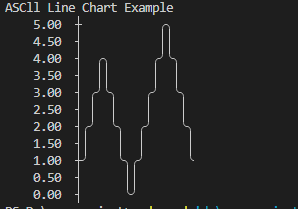
import asciichartpy 

data = [1, 2, 3, 4, 3, 2, 1, 0, 1, 2, 3, 4, 5, 4, 3, 2, 1]
print("ASCll Line Chart Example")
print(asciichartpy.plot(data, {'height': 10}))


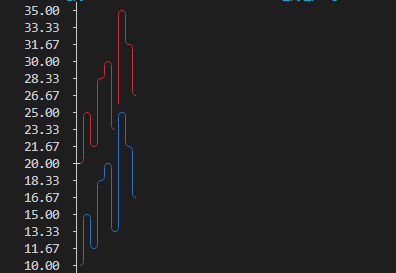
import asciichartpy as ac

series1 = [20, 25, 22, 28, 30, 24, 35, 32, 26]
series2 = [10, 15, 12, 18, 20, 14, 25, 22, 16]

# 두 개의 계열을 하나의 차트에 표시
print(ac.plot([series1, series2], {'height': 15, 'colors': [ac.red, ac.blue]}))
반응형
반응형

PHP 8.5: The Version That Will Actually Makes Life Easier


https://pixicstudio.medium.com/php-8-5-new-developer-features-f9617311c590


PHP 8.5: The Version That Will Actually Makes Life Easier

The Developer-Friendly Upgrade You’ve Been Waiting For

pixicstudio.medium.com


PHP 8.5 is out soon, and honestly, it’s one of those releases that makes me excited as a developer. Some of the features are small, but they just feel so right, you know? I’m talking about stuff that just makes your life easier every single day. Let me take you through it.

Pipe Operator: No More Temporary Variables

The pipe operator, you’ve probably seen it floating around in tweets and RFCs. And yes, it’s actually useful.

Imagine this: you have a function called sendEmail. It takes an email address, but before you send it, you want to clean it up. Trim spaces, make it lowercase… usual stuff. Before PHP 8.5, you might do something like this:

$email = "  TEST@EXAMPLE.COM  ";
$email = trim($email);
$email = strtolower($email);
sendEmail($email);

Temporary variables, reassignments, all that noise. Now with the pipe operator:

"  TEST@EXAMPLE.COM  "
    |> trim()
    |> strtolower()
    |> sendEmail();

No temporary variables, everything flows left to right. Makes your code so much cleaner.

No Discard Attribute: Stop Ignoring Return Values

Next up, #[NoDiscard]. This is actually amazing. Sometimes you call a function, and you must use the return value, but people (or even yourself) might forget. PHP 8.5 can now warn you if you ignore it.

#[NoDiscard]
function getName(): string {
    return "Nuno";
}

If you do this:

getName(); // PHP will warn you: "Hey, you should use the return value!"

It forces you to handle the result or explicitly cast to void if you really mean to ignore it. Honestly, this one is top three features for me. You combine this with the pipe operator, and you can write clean, safe chains without warnings.

Closures in Constant Expressions

PHP 8.5 now lets you use static closures in places that only accept compile-time values. Class constants, default property values, attribute arguments… you can now use closures in all of them.

class Example {
    public const VALIDATOR = static function($value) {
        return !empty($value);
    };
}

Before, this would fail, now it works. You can literally attach reusable logic directly to constants or attributes. This is huge for frameworks like Laravel that use a lot of validation or metadata.

Array Helpers: array_first() and array_last()

You know how annoying it was to get the first or last element of an array? I mean, PHP has reset() and end(), but they move the internal pointer. Now we have:

$users = ["Adrian", "Maria", "Pedro"];
$first = array_first($users); // Adrian
$last = array_last($users);   // Pedro

It’s simple, intuitive, and doesn’t mess with your array pointer. Little change, big difference.

Global Constants with Attributes

Another subtle one. PHP 8.5 now lets you add attributes to global constants. Before, this was impossible. Now, you can do something like:

#[Deprecated("Use NEW_CONSTANT instead")]
const OLD_CONSTANT = 42;

Try echoing it:

echo OLD_CONSTANT; // 42 + deprecation warning

It’s basically metadata for constants. If your framework or package uses constants for configuration, you can now attach extra info cleanly.

Get Exception Handler

For framework developers, this one is neat. PHP 8.5 introduces get_exception_handler(). If you’ve ever used set_exception_handler(), you know it’s hard to inspect the existing closure. Now, you can actually grab it:

set_exception_handler(fn($e) => echo "Caught: " . $e->getMessage());
$handler = get_exception_handler();
var_dump($handler);

Perfect for logging, debugging, or even modifying exception handling at runtime. Frameworks like Laravel could make real use of this for global error handling.

Intel List Formatter

And here’s a fun one: IntlListFormatter. Not something you’d use every day, but when you need it, it’s perfect. You can take a list and format it according to locale rules.

$formatter = new \Intl\IntlListFormatter('en', \Intl\IntlListFormatter::TYPE_AND);
echo $formatter->format(['Lisbon', 'Porto', 'Coimbra']); // "Lisbon, Porto, and Coimbra"

It handles “and”, “or”, and other localized ways of formatting lists automatically. Nice little quality-of-life improvement for internationalized apps.

Minor Internal and CLI-Only Improvements

Even the small improvements in PHP 8.5 make a difference, especially if you work with the CLI or care about internal debugging and configuration.

1. php.ini Diff (PHP-IN-DIFF)

Ever wish you could quickly see which settings you’ve changed from the default PHP configuration? PHP 8.5 makes this super easy with a new CLI command:

php -i --diff

This shows you exactly which php.ini options differ from the defaults. For example, I always increase memory limits and disable timeouts for scripts while testing:

memory_limit = -1
max_execution_time = 0

Before, you had to manually compare or scroll through phpinfo(). Now it’s literally built-in. Such a small, but life-saving improvement for anyone debugging PHP setups.

2. PHP Build Date Constant

PHP 8.5 introduces a new constant that tells you exactly when the binary was built. Want to check?

echo PHP_BUILD_DATE;

Output:

2025-09-17 14:32:00

It’s perfect if you’re running multiple PHP binaries or want to verify the version/build you’re using. Nothing groundbreaking, but again, quality-of-life.

3. Final Property Promotion

PHP 8.5 improves property promotion with the ability to mark individual properties as final. You could already make an entire class final, but now you can target specific properties in your constructor:

class User {
    public function __construct(
        final public string $username,
        public string $email
    ) {}
}

Now $username cannot be overridden in subclasses. It’s subtle, but for codebases where immutability matters, this is a huge clarity win.

4. CLI and Debugging Tweaks

Other minor improvements include:

  • Better default error reporting when using php -d overrides.
  • Cleaner warnings for deprecated features in CLI mode.
  • Small optimizations under the hood that make scripts run slightly faster or consume less memory in edge cases.

None of these require code changes, but if you’re a framework developer or DevOps person, they make day-to-day PHP usage smoother.

Why Even Minor Changes Matter

Here’s the thing: PHP 8.5 isn’t just about flashy features. Even small internal improvements and CLI tweaks reduce friction in your workflow. That’s the real magic here, less time fighting configuration, more time writing code that actually does something.

Final Thoughts

PHP 8.5 is packed with quality-of-life features. Not every one of them will change your world, but together they make the language smoother, safer, and more enjoyable.

  • Pipe operator: clean chains, no temp variables.
  • NoDiscard: never ignore important return values again.
  • Closures in constants: attach logic anywhere at compile time.
  • Array helpers: easy access to first and last elements.
  • Attributes on constants: add metadata cleanly.
  • Exception handler inspection: framework-friendly.
  • Intl list formatter: smart, localized lists.

PHP 8.5 feels like one of those releases that makes you happy to write PHP again. It’s not flashy, but it’s clever, practical, and developer-first.

If you haven’t checked it out yet, start testing the beta. I guarantee some of these features will make their way straight into your daily coding habits.

반응형
반응형

마인크래프트 하면서 영어 배운다…알레프랩 와이콤비네이터에 ‘낙점’


https://www.mk.co.kr/news/business/11443250


마인크래프트 하면서 영어 배운다…알레프랩 와이콤비네이터에 ‘낙점’ - 매일경제

게임형 AI 학습 에이전트 크루캐피탈이어 후속 투자 유치 게임·언어·과목 등 확장 계획

www.mk.co.kr

게임형 인공지능(AI) 스타트업 알레프 랩(Aleph Lab)이 미국 실리콘밸리 대표 스타트업 액셀러레이터인 와이콤비네이터(YC)에 낙점됐다.

알레프랩은 올해 가을(F25) 와이콤비네이터 배치 프로그램에 선정돼 후속 투자를 유치했다고 16일 밝혔다. 지난 8월 설립 직후 크루캐피탈(Krew Capital)로부터 첫 투자를 받은 지 약 한 달 만이다.

알레프 랩은 아이들이 좋아하는 게임을 통해 자연스럽게 영어를 습득하는 경험을 목표로, AI 원어민 친구와 함께 게임 마인크래프트 안에서 실시간으로 대화하며 영어를 배우는 학습 서비스 ‘알레프 키즈(Aleph Kids)’를 개발하고 있다. 연내에 게임 플랫폼 ‘로블록스’에서도 서비스를 지원할 계획이다.

알레프 키즈의 첫 번째 AI 원어민 친구 ‘애니’(Annie)는 단순한 대화형 챗봇이 아닌 AI 에이전트로, 주변 환경을 인식해 아이의 답변을 유도하는 질문을 생성하며 자연스러운 언어 학습을 설계했다.

학습자의 흥미, 언어 수준, 게임 상황을 실시간으로 분석해 맞춤형 학습 커리큘럼을 생성하고, 놀면서 배우는 경험(learn through play)을 제공하는 것이 목표다.

투자금은 이후 로블록스 등 인기 게임 속 AI 친구 출시, 스페인어와 프랑스어 등 언어 확장, 수학·과학 등 과목 추가, 성인 대상 학습 서비스 출시 등 제품 확장에 활용될 예정이다.

장한님·한관엽 공동대표는 “아이들이 값비싼 해외 영어캠프나 유학을 가지 않더라도, 언제 어디서나 AI 원어민 친구와 함께 놀면서 자연스럽게 영어 실력을 키우고 유창해질 수 있도록 하겠다”며 “아이들이 해외에 나가서 자신감 있게 영어로 대화하고, 학업과 커리어에서 더 많은 선택지를 가질 수 있는 세상을 만들 것”이라고 밝혔다.

반응형
반응형

Plotly를 사용한 게이지 차트 (Gauge Chart) 생성 예제 (Python Code)


Plotly Tutorial - 파이썬 시각화의 끝판왕 마스터하기 https://wikidocs.net/book/8909


https://plotly.com/python-api-reference/plotly.graph_objects.html


plotly.graph_objects: low-level interface to figures, traces and layout — 6.3.0 documentation

plotly.graph_objects: low-level interface to figures, traces and layout plotly.graph_objects contains the building blocks of plotly Figure: traces (Scatter, Bar, …) and Layout >>> import plotly.graph_objects as go Figure Figure([data, layout, frames, 

plotly.com

Plotly는 인터렉티브한 시각화가 가능한 파이썬 그래픽 라이브러리 입니다. 기본적인 시각화부터 통계, 재무, 지리 과학 및 3-dimensional 을 포함한 40개 이상의 차트 타입을 제공하는 오픈소스 입니다. 기본적으로 쥬피터 노트북에 시각화가 가능하며 인터렉티브한 dashboards 위해 Dash 또는 Chart Studio와 같은 라이브러리와 통합 및 확장이 가능합니다.


특징

  1. Interactive 한 시각화 가능하여 사용자가 시각화된 그래프를 쉽게 줌인, 줌아웃 및 툴팁을 활용한 데이터확인이 가능합니다. (Matplotlib/Seaborn 과의 가장 큰 차이점)
  2. Dash, 및 chart Studio 와같은 visualisation tools 연동으로 Web 및 application 통해 확인이 가능합니다.
  3. matplotlib 대비 코드가 훨씬 간편합니다.(이 책을 통해 익숙해진다면..)
  4. Python 뿐만 아니라 R, Julia, MATLAB 등과 같은 다른 프로그래밍 언어를 스크립트를 사용하여 이용이 가능합니다.
  5. Plotly는 기본적으로 JSON(JavaScript Object Notation) 형태를 주고받는 구조로 되어있습니다. 하지만 걱정 하실필요 없습니다. 본 책에서는 복잡한 JSON 형태가 아닌 직관적인 객체를 사용하는 방법으로 진행할 예정입니다.
  6. Matplotlib 차트를 Plotly 차트로 변화나는 기능이 지원됩니다.
  7. Pandas와의 호환 기능이 추가되어 판다스 plotting 백엔드에 Plotly를 설정하면 Padas 데이터프레임에서 바로 Plotly 로 시각화가 가능합니다.
  8. 기본적인 색감이 매우 이쁩니다.(개인적인 취향)
  9. 라이센스가 무료 입니다.


"""
    pip install plotly
    Plotly를 사용한 게이지 차트 (Gauge Chart) 생성 예제 (Python Code)
"""

import plotly.graph_objects as go
import plotly.offline as pyo

# --- 게이지 차트 데이터 설정 ---
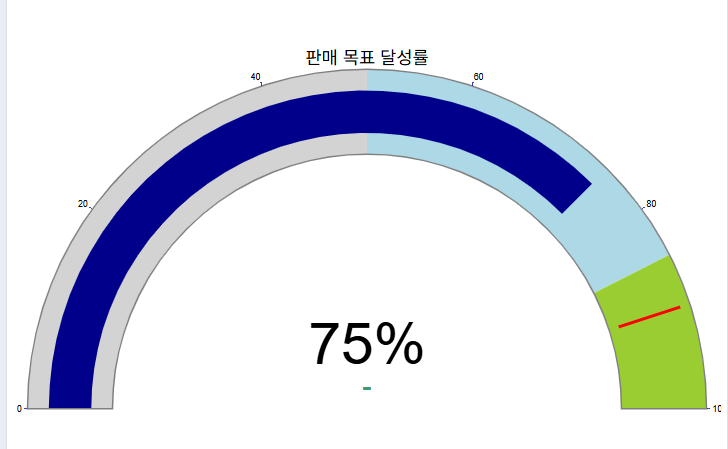
value = 75  # 현재 값 (예: 판매 목표 달성률 75%)
max_value = 100 # 최대 값
title_text = "판매 목표 달성률"
unit_text = "%"

# --- Plotly Indicator 객체 생성 ---
fig = go.Figure(go.Indicator(
    mode = "gauge+number+delta", # 게이지, 숫자, 델타(변화량)를 표시
    value = value,
    number = {'suffix': unit_text}, # 숫자 뒤에 단위 표시
    domain = {'x': [0, 1], 'y': [0, 1]},
    title = {'text': title_text, 'font': {'size': 24}},
    
    # --- 게이지 설정 ---
    gauge = {
        'shape': "angular", # 게이지 모양 (angular: 원형, bullet: 수평 막대)
        'axis': {'range': [None, max_value], 'tickwidth': 1, 'tickcolor': "darkblue"},
        'bar': {'color': "darkblue"}, # 현재 값 막대의 색상
        'bgcolor': "white",
        'borderwidth': 2,
        'bordercolor': "gray",
        
        # --- 구간별 색상 설정 (Thresholds) ---
        'steps': [
            {'range': [0, 50], 'color': "lightgray"},   # 0% ~ 50%
            {'range': [50, 85], 'color': "lightblue"},  # 50% ~ 85%
            {'range': [85, 100], 'color': "yellowgreen"} # 85% ~ 100% (목표 근접/달성)
        ],
        
        # --- 목표선 설정 (Threshold) ---
        'threshold': {
            'line': {'color': "red", 'width': 4},
            'thickness': 0.75, # 목표선의 두께
            'value': 90 # 목표 값 (예: 90%)
        }
    }
))

# --- 레이아웃 설정 ---
fig.update_layout(
    paper_bgcolor = "white", # 배경 색상
    font = {'color': "black", 'family': "Arial"},
    margin = dict(l=20, r=20, t=50, b=20) # 여백 설정
)

# --- 차트 출력 (브라우저에서 확인) ---
# pyo.plot(fig, filename='gauge_chart.html')

# --- (선택 사항) Notebook 환경에서 출력 ---
fig.show()
반응형
반응형

22 HTML Input Types That Will Make Your Forms 10x Better


https://pixicstudio.medium.com/22-html-input-types-that-will-make-your-forms-10x-better-4fcf806e7a58


22 HTML Input Types That Will Make Your Forms 10x Better

The HTML <input> element is honestly one of the most versatile tags in web development. It's been around forever, but there are so many…

pixicstudio.medium.com


https://codepen.io/web-strategist/pen/vELyGyb


22 HTML Forms Input Types

...

codepen.io

See the Pen 22 HTML Forms Input Types by Usman (@web-strategist) on CodePen.

1. type=”text”

This is the bread and butter of input fields.

It’s the default input type for single-line text.

<input type="text" name="username" placeholder="Enter your username">

Perfect for names, usernames, or any short text.

Nothing fancy, but you’ll use it everywhere.

2. type=”password”

Ever needed to hide what users are typing?

type="password" masks the input automatically.

<input type="password" name="password" placeholder="Enter password">

The text shows as dots or asterisks.

Security 101 for login forms.

3. type=”email”

Email validation built right in.

It checks for the @ symbol and proper email format on mobile keyboards.

<input type="email" name="email" placeholder="your@email.com">

Mobile browsers automatically show the @ key.

Plus, you get instant validation on submit.

Cleaner. Smarter. Less JS needed.

4. type=”number”

Number inputs give you numeric keyboards on mobile and built-in validation.

<input type="number" name="quantity" min="1" max="100" step="1">

You can set:

  • min and max for ranges
  • step for increment values

The browser handles all the validation for you.

5. type=”tel”

Telephone inputs bring up the number pad on mobile devices.

<input type="tel" name="phone" placeholder="(123) 456-7890">

It doesn’t validate format automatically, but it makes typing phone numbers way easier on mobile. Perfect for better user experience.

6. type=”url”

URL inputs validate web addresses and show optimized keyboards.

<input type="url" name="website" placeholder="https://example.com">

Mobile keyboards show .com and / buttons. The browser checks for valid URL format automatically.

7. type=”search”

Search inputs look like search fields with a clear button.

<input type="search" name="query" placeholder="Search...">

Some browsers add an X button to clear the input. It’s semantically correct and improves accessibility.

8. type=”date”

Date pickers, no JavaScript needed.

<input type="date" name="birthday" min="1900-01-01" max="2025-12-31">

The browser shows a native date picker. You can set min and max to restrict date ranges. So much cleaner than custom date picker libraries.

9. type=”time”

Time inputs give you native time pickers.

<input type="time" name="appointment" min="09:00" max="18:00">

Perfect for scheduling forms. No more struggling with AM/PM dropdowns.

10. type=”datetime-local”

This one’s powerful: date AND time in one field.

<input type="datetime-local" name="meeting">

It combines date and time selection. Great for event registration or booking systems.

11. type=”month”

Month pickers for month/year selection.

<input type="month" name="expiry" min="2025-01">

Perfect for credit card expiry dates or monthly reports. The browser handles the calendar interface.

12. type=”week”

Week pickers let users select a specific week of the year.

<input type="week" name="week">

It’s niche, but super useful for scheduling or timesheet applications.

13. type=”color”

Color pickers built right into HTML.

<input type="color" name="theme-color" value="#4f46e5">

The browser shows a native color picker. No more importing color picker libraries for simple use cases.

14. type=”range”

Sliders for selecting values within a range.

<input type="range" name="volume" min="0" max="100" step="5" value="50">

Visual, intuitive, and perfect for settings like volume or brightness. You can customize the appearance with CSS too.

15. type=”file”

File uploads made simple.

<input type="file" name="document" accept=".pdf,.doc,.docx">

You can restrict file types with accept. Add multiple to allow multiple file selection:

<input type="file" name="photos" accept="image/*" multiple>

Essential for any upload functionality.

16. type=”checkbox”

Checkboxes for yes/no or multiple selections.

<input type="checkbox" name="subscribe" id="subscribe">
<label for="subscribe">Subscribe to newsletter</label>

You can have multiple checkboxes with the same name for selecting multiple options. Simple, but absolutely essential.

17. type=”radio”

Radio buttons for single selections from multiple options.

<input type="radio" name="size" value="small" id="small">
<label for="small">Small</label>
<input type="radio" name="size" value="medium" id="medium">
<label for="medium">Medium</label><input type="radio" name="size" value="large" id="large">
<label for="large">Large</label>

Same name attribute groups them together.

Only one can be selected at a time.

18. type=”hidden”

Hidden inputs store data without displaying it.

<input type="hidden" name="user_id" value="12345">

Perfect for passing IDs, tokens, or other data that users don’t need to see. They’re invisible but still submitted with the form.

19. type=”submit”

Submit buttons trigger form submission.

<input type="submit" value="Sign Up">

It’s the classic way to submit forms. Though <button type="submit"> is more flexible these days.

20. type=”reset”

Reset buttons clear all form fields to their default values.

<input type="reset" value="Clear Form">

Use sparingly users rarely expect or want this.

But it’s there when you need it.

21. type=”button”

Generic buttons that don’t submit forms.

<input type="button" value="Click Me" onclick="doSomething()">

Perfect for JavaScript interactions without form submission.

Modern code usually uses <button> instead, but this works too.

22. type=”image”

Image buttons that act as submit buttons.

<input type="image" src="submit-icon.png" alt="Submit">

It submits the form AND sends the x,y coordinates of where you clicked.

Niche, but useful for image maps or creative submit buttons.

Bonus Attributes You Should Know

Here are some powerful attributes that work across multiple input types:

required: Makes the field mandatory

<input type="email" name="email" required>

placeholder: Shows hint text

<input type="text" placeholder="Enter your name">

pattern: Custom validation with regex

<input type="text" pattern="[A-Za-z]{3,}" title="At least 3 letters">

minlength and maxlength: Character limits

<input type="text" minlength="3" maxlength="50">

readonly: Display only, no editing

<input type="text" value="Cannot edit this" readonly>

disabled: Grays out and prevents interaction

<input type="text" value="Disabled" disabled>

autocomplete: Controls browser autofill

<input type="email" autocomplete="email">

autofocus: Focuses field on page load

<input type="text" autofocus>

list: Connects to datalist for autocomplete suggestions

<input type="text" list="browsers">
<datalist id="browsers">
  <option value="Chrome">
  <option value="Firefox">
  <option value="Safari">
</datalist>

Modern Input Attributes (Bonus Round)

capture: Accesses camera/microphone on mobile

<input type="file" accept="image/*" capture="environment">

inputmode: Optimizes mobile keyboards

<input type="text" inputmode="numeric">

multiple: Allows multiple values (for email, file)

<input type="file" multiple>

accept: Filters file types

<input type="file" accept="image/png, image/jpeg">

The Power of Native HTML Is Here

That’s it, every HTML input type and the most important attributes that are making building forms actually fun again.

Some of them you’ll use every single day, and others are perfect for specific use cases.

Either way, they’re worth knowing inside and out, because they eliminate the need for heavy JavaScript libraries and give you better mobile experiences out of the box.

The browser does the heavy lifting. You just write better HTML.

I’ve covered all 22 input types from the basic text and password to the modern ones like datetime-local, color, and range, plus essential attributes like required, pattern, autocomplete, and mobile-specific ones like capture and inputmode.

반응형
반응형


https://blog.boot.dev/education/vibe-coding-hell/


I'm in Vibe Coding Hell

When I started thinking about the problems with coding education in 2019, “tutorial hell” was enemy number one. You’d know you were living in it if you:

blog.boot.dev

https://news.hada.io/topic?id=23590


“튜토리얼 지옥”을 대체한 “바이브 코딩 지옥”의 등장 | GeekNews

최근 코딩 교육 환경에서 “튜토리얼 지옥” 대신 “바이브 코딩 지옥” 이 새로운 문제로 대두됨튜토리얼 지옥이 "튜토리얼 없이는 아무것도 만들지 못하는" 상태였다면, 바이브 코딩 지옥은 "

news.hada.io


  • 최근 코딩 교육 환경에서 “튜토리얼 지옥” 대신 “바이브 코딩 지옥” 이 새로운 문제로 대두됨
  • 튜토리얼 지옥이 "튜토리얼 없이는 아무것도 만들지 못하는" 상태였다면, 바이브 코딩 지옥은 "AI 없이는 코딩할 수 없고, AI가 생성한 코드가 어떻게 작동하는지 이해하지 못하는" 상태를 의미
  • AI 도구의 과도한 사용이 학습 동기를 저하시키며, AI 리터러시가 낮은 사람일수록 AI를 더 많이 사용하는 역설적 상황이 발생하고 있음
  • AI 도구는 적절하게 활용하면 학습 보조에 큰 도움이 될 수 있으나, 무작정 ‘답만 얻기’식 사용은 건설적 이해 형성에 방해가 됨
  • 학습 과정에서 직접 고민하고 스스로 해결하려는 노력이 핵심, 튜토리얼·AI 보조 없이 문제 해결 경험을 쌓는 자세가 중요함

문제의 배경: 튜토리얼 지옥에서 바이브 코딩 지옥으로

  • 2019년 당시 코딩 교육의 주요 문제는 "튜토리얼 지옥" 이었음
    • 튜토리얼을 따라하는 데는 성공하지만 혼자서는 아무것도 만들지 못함
    • 실제 프로그래밍보다 프로그래밍 관련 동영상 시청에 더 많은 시간을 소비하며, 핵심 개념은 이해하지 못함
    • 결과적으로 피상적 지식만 쌓고, 내부 작동 원리는 이해하지 못해서 현실에서는 코드를 스스로 쓰지 못하는 상태
  • Boot.dev는 이를 해결하기 위해 세 가지에 집중함
    • 심층 커리큘럼: 전통 대학 외부에서도 CS 기초를 배울 필요성 강조
    • 실습 중심 방식: 모든 개념 학습과 함께 코드를 직접 작성
    • 비디오보다 리치 텍스트 강화: 비디오는 수동적 소비에 그칠 위험성 있음
  • 2019년에는 수백만 조회수를 기록하던 긴 YouTube 강의들이 현재는 5만 조회수도 달성하기 어려움
    • FreeCodeCamp, Traversy Media, Web Dev Simplified 등의 채널이 이러한 추세를 보임
  • 그러나 "learn to code"에 대한 Google Trends 데이터는 여전히 높은 관심도를 유지하고 있음
  • Boot.dev에 매일 약 1,300명의 신규 사용자가 등록하며, 최근 18개월간 튜토리얼 지옥에 대한 불만은 줄었지만 새로운 형태의 어려움이 나타남

바이브 코딩 지옥의 정의

  • 튜토리얼 지옥의 특징
    • "튜토리얼 없이는 아무것도 만들 수 없다"
    • "문서를 이해하지 못하니 동영상이 필요하다"
    • "간단한 작업에도 복잡한 프레임워크가 필요하다"
  • 바이브 코딩 지옥의 특징
    • "Cursor의 도움 없이는 아무것도 할 수 없다"
    • "멋진 타워 디펜스 게임을 만들었어요. 여기 링크에요 http://localhost:3000";
    • "이미지 lazy-load를 위해 Claude가 6,379줄을 추가한 이유를 모르겠어요"
  • 현재 자기주도 학습자들은 많은 것을 만들고 있지만, 소프트웨어 작동 방식에 대한 멘탈 모델을 발전시키지 못하는 프로젝트를 구축
  • AI의 환각(hallucination)과 싸우고, 테스트 통과에만 집중하는 봇과 씨름하며 실제 문제 해결보다는 AI가 생성한 코드를 맹목적으로 신뢰

AI 코딩의 미래와 현실

  • 나는 단기적으로 AI가 개발자를 완전히 대체하지는 않을 것이라는 데 긍정적 입장
    • "AI가 일자리를 빼앗을 때까지 6개월"이라는 말이 나온 지 3년이 지났지만 여전히 개발자를 고용하고 있음
  • GPT-5가 출시되었지만 GPT-4 대비 점진적 개선에 그쳤으며, AGI가 곧 도래하지 않을 것임을 보여주는 증거로 해석됨
  • 매일 AI 도구를 사용하지만 실제로 생산성이 얼마나 향상되는지 확신하지 못함
    • AI가 더 생산적이게 만드는지, 아니면 더 게으르게 만드는지 불분명
  • 2025년 연구 결과: 개발자들은 AI가 20-25% 생산성을 높인다고 가정했지만, 실제로는 19% 느려짐
    • 7조 달러 투자 대비 실망스러운 결과

AI와 학습동기 저하의 위험성

  • AI 활용 문화가 학습자의 동기 부여에 부정적일 수 있음
  • AI 열풍(버블?)에서 가장 우려되는 점은 "왜 배워야 하나? AI가 다 알잖아"라는 태도를 가진 세대가 등장한다는 것
  • AI가 실제로 모든 화이트칼라 직업을 대체하지 못한다면, 주식 시장 버블뿐 아니라 교육받은 인력의 가뭄도 겪게 될 것
  • 기술적 배경이 없는 투자자들은 “AI가 이미 코딩의 전부를 대체했다”고 오해하고, 시니어 개발자들은 여전히 AI 도구를 일상 업무에 통합할 유용한 방법을 찾지 못함
  • AI 리터러시가 낮은 사람일수록 AI를 더 많이 사용하는 경향이 있어 우려됨
    • 궁극적인 ‘Dunning-Kruger(더닝-크루거)’ 함정으로 작용 - 지식이 부족한 사람이 오히려 자신이 잘 안다고 착각하는 현상
    • 학습자들이 "AI가 이미 알고 있으니" 자기계발이 무의미하다고 결론 내림

AI는 학습에 유익한가?

  • 여전히 코딩 배우기에 대한 사회적 관심도 높음
  • AI가 학습에 유익할 수도 있지만, 두 가지 구조적 문제가 존재함
  • 첫 번째: 아첨(sycophant) 문제
    • AI 챗봇은 질문자 의견에 과도하게 동조하는 경향이 있음
    • “ROAS(광고수익률)에 대해” 채팅해보면, 같은 데이터를 놓고 질문 방향에 따라 정반대 결론을 내며, 모두 전문가적 어조로 확신 있게 답함
    • 이는 학습자에게 검증, 비판적 사고, 오류 지적을 경험할 기회를 박탈함
      • 전문가에게 묻는 이유는 우리가 틀렸을 때 알려주기 위함
      • IRC 채팅이나 Stack Overflow는 이를 잘 수행했음(아마도 너무 잘)
      • LLM(대형언어모델) 챗봇은 기존 학습자의 근본적 오해를 바로잡지 못하는 경향이 강함
      • 현재 학생들은 LLM과 편안한 대화를 나누며 필요한 것이 아닌 듣고 싶은 것을 듣게 됨
  • 두 번째 문제: 학습자는 실질적 ‘의견’을 원함
    • AI는 지나치게 균형 잡힌 입장을 제시함
      • "어떤 사람들은 X라고 생각하고 어떤 사람들은 Y라고 생각한다"
      • 학습자가 어느 쪽에 동의할지 결정하기 더 어려워짐
    • "자본주의자 역할" 또는 "마르크스주의 혁명가 역할"을 하도록 프롬프트했지만 만족스러운 결과를 얻지 못함
    • 학습자는 실제 경험에서 나온 의견과 논평을 듣고 싶어함
      • DHH가 Turbo에서 TypeScript를 제거한 이유
      • Anders Hejlsberg가 TypeScript가 JavaScript 개발자에게 해결해주는 것
      • 각 저자의 편견과 맥락이 명확히 드러나는 실제 의견을 통해 미묘한 멘탈 모델이 형성됨
    • LLM 특유의 중립적·조심스러운 답변은 실제 지식 내면화에 방해가 됨

AI가 학습에 진짜 도움 되는 경우

  • AI는 올바르게 사용하면 학습을 위한 놀라운 도구
  • 코딩을 배우기에 이보다 쉬운 시대는 없었음
  • Boot.dev의 Boots(AI 교육 보조 도구) 사례
    • 학생들이 인스트럭터 솔루션(이상적인 정답)을 보는 것보다 AI 튜터(Boots)와 채팅하는 것을 거의 4배 더 많이 사용
    • Boots는 일반 챗봇과 달리 다음 방식으로 학습에 도움 줌
      • 답을 직접 알려주지 않도록 사전 프롬프팅
      • 소크라테스식 방법을 사용하여 학생이 문제에 대해 더 깊이 생각하도록 유도
      • 강사의 솔루션에 접근할 수 있어 정답에 대한 환각 가능성이 훨씬 낮음
      • 즐거운 캐릭터성 부여(마법사 곰)

바이브 코딩 지옥 탈출법

  • 결론적으로, 튜토리얼 지옥이든 바이브 지옥이든, ‘남에게 맡기지 말고 스스로 해보는 경험’ 이 매우 중요함
    • 튜토리얼 지옥: 비디오 끄고 직접 코드 작성 경험 쌓기
    • 바이브 지옥: 코파일럿 등 AI 자동완성 꺼두고, 스스로 문제 해결 경험 쌓기
  • 피해야 할 것:
    • 에디터 내 AI 자동완성
    • 에이전트 모드 및 AI 자동화 도구로 프로젝트 처리
  • 활용할 수 있는 것:
    • 질문에 답하고, 개념을 설명하고, 예제를 제공하는 챗봇
    • 소크라테스식 방법으로 질문하도록 유도하는 시스템 프롬프트를 통해 깊은 사고 촉진
    • 주장을 할 때 출처를 인용하고 문서에 링크하도록 요청하는 시스템 프롬프트로 정보 신뢰성 확보

핵심 원칙

  • 학습은 반드시 불편해야 함
    • 튜토리얼 지옥은 다른 사람이 코딩하는 것을 보면서 불편함을 피할 수 있게 해줌
    • 바이브 코딩 지옥은 AI가 코드를 작성하게 하면서 불편함을 피할 수 있게 해줌
  • 진짜 학습은 막히고, 좌절하고, 가장 중요하게는 문제 해결을 강제당할 때 일어남
    • 이것이 인간의 신경망이 재배선되는 방식
  • "학습은 어려워야 한다"는 개념을 지나치게 확대하면 형편없는 교육 설계의 변명이 될 수 있음
    • 저자는 이를 옹호하지 않음
    • 개념이 최선의 방식으로 설명되더라도, 학생은 여전히 그것과 씨름하고 새로운 맥락에서 스스로 사용해야 진정으로 이해할 수 있음
  • 진짜 학습 은 직접 막히고, 좌절하고, 자신의 힘으로 돌파하는 과정에서 완성됨
반응형

+ Recent posts